
Aftercare
The hardest part of recovery isn’t the program. It’s the year after the program. We’re built to stay connected to people once they leave structured care — because that’s when most relapses happen.
Aftercare isn’t a separate billable service or a glossy alumni weekend retreat. It’s how we structure the relationship after PHP and IOP end.
For most people, aftercare looks like some combination of:
Most relapses happen in the first 90 days after structured treatment ends. The people who stay sober tend to be the people who stayed in *some* form of structure — group, therapy, peer support — through that window.
That’s why we plan the step-down as part of the treatment plan, not as a bolted-on service. PHP graduates often step down into IOP. IOP graduates often step down to weekly outpatient. Outpatient graduates stay connected through alumni.
It’s a ladder, not a cliff.
Alumni
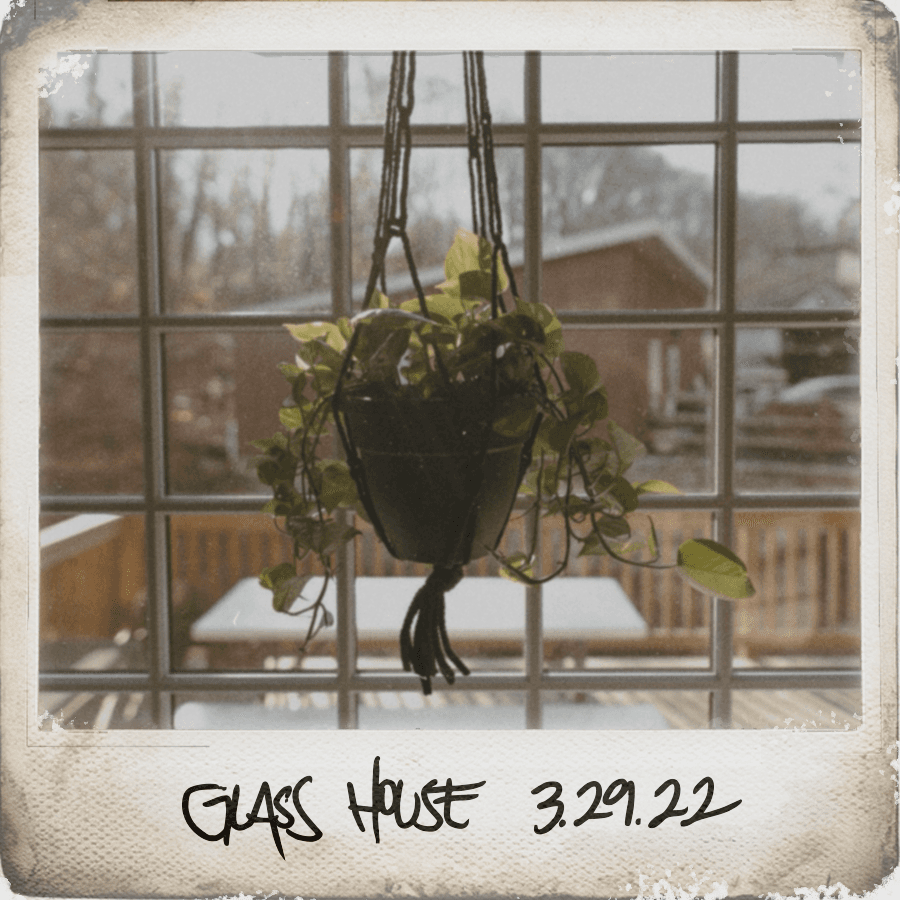
Our alumni community is small enough to actually know each other and big enough to show up when someone needs help. We host periodic alumni events at the house — some structured, some social.
If you’ve been through Glass House and want to reconnect, reach out. If you’re considering treatment and want to talk to someone who’s been through it, we can sometimes arrange that too.
Whether you’re finishing inpatient and need a step-down, in the middle of an IOP somewhere else, or restarting after a slip — we can help you figure out the next move.